Canada has long been considered one of the most stable property markets in the developed world. Political stability, predictable legal structures and a historically resilient housing sector have made the country a consistent destination for international investment capital.
Within that national landscape, however, certain regions are beginning to stand out as particularly significant from an investment perspective. One of the most notable examples is Nova Scotia.
Over the past decade the province has moved from being a relatively quiet regional market to becoming one of the most closely watched real estate environments in Canada. Rapid population growth, structural housing shortages and increasing investor attention have combined to create a set of market conditions that are attracting developers, property investors and commercial land acquisition firms from across North America and beyond.
Understanding the dynamics behind this shift is essential for anyone evaluating property investment opportunities in Canada.
The structural imbalance between housing supply and population growth
The most important driver of Nova Scotia’s property market is a structural imbalance between housing supply and population demand.
Population growth across the province has accelerated significantly in recent years. Halifax, the provincial capital and largest urban centre, has experienced particularly strong growth as immigration, interprovincial migration and international students have increased the city’s population base.
Over a five year period the Halifax metropolitan population expanded by more than nine percent, representing one of the fastest growth rates in Atlantic Canada.
The challenge for the housing market is that residential construction has not kept pace with this expansion. Housing supply has lagged behind demographic growth for many years, and the cumulative effect of that underbuilding is now being felt across the region.
Provincial housing assessments estimate that Nova Scotia faces a substantial shortfall in available housing units. Tens of thousands of additional homes will be required in the coming years simply to stabilise the current imbalance between supply and demand.
From an investment perspective, this type of structural shortage tends to produce long-term upward pressure on both property values and rental prices.
When more people are competing for a limited housing supply, the market adjusts accordingly.
Halifax as the economic and demographic centre of Atlantic Canada
While Nova Scotia contains numerous smaller communities, Halifax is the economic engine driving much of the province’s property growth.
The city functions as the principal commercial, educational and cultural centre of Atlantic Canada. Its port infrastructure, financial services sector, universities and expanding technology industry have created a diverse economic base that continues to attract new residents.
Universities in Halifax draw large numbers of international students each year, many of whom remain in the region after graduation. At the same time, skilled workers relocating from other provinces have increasingly viewed Halifax as a desirable alternative to Canada’s largest and most expensive cities.
This migration pattern has placed sustained pressure on the local housing market.
Rental vacancy rates in Halifax have fallen to exceptionally low levels by Canadian standards, often hovering around one percent. In practical terms this means that available rental properties are extremely limited relative to demand.
Even when new rental developments are completed, they are typically absorbed by the market very quickly.
Such conditions reinforce the investment case for both residential and mixed-use developments across the Halifax region.
The long-term effects of underbuilding in Nova Scotia
The housing shortage currently affecting Nova Scotia did not emerge overnight. It is the result of many years of limited housing construction relative to population growth.
For much of the early twenty first century the province experienced slower demographic expansion than larger Canadian regions. As a result, large-scale residential development did not occur at the same pace as in cities such as Toronto or Vancouver.
However, when migration patterns shifted and population growth accelerated, the existing housing supply proved insufficient.
The construction sector has responded with increased building activity in recent years, but development timelines in real estate mean that supply cannot expand instantly.
Planning approvals, infrastructure requirements and construction timelines mean that new housing projects often take years to reach completion.
In the meantime the shortage continues to influence market dynamics.
This lag between rising demand and new supply is one of the central reasons Nova Scotia has become increasingly attractive to property investors.
Immigration and demographic change reshaping the regional market
Immigration policy has played a significant role in shaping Canada’s modern housing market, and Nova Scotia is no exception.
Federal immigration programmes have increasingly encouraged settlement in provinces outside the largest metropolitan centres, helping to distribute economic growth more evenly across the country.
As a result, Atlantic Canada has seen a substantial increase in new residents over the past decade.
In Halifax the number of residents born outside Canada has risen steadily, contributing to both cultural diversification and economic growth.
International students also form an important part of the city’s demographic profile. Many attend universities in Halifax before transitioning into the local workforce, which further increases demand for long-term housing.
These demographic trends create a sustained demand base for property, particularly in rental markets where new arrivals typically seek accommodation before purchasing homes.
From an investor perspective, immigration-driven population growth is one of the most reliable indicators of long-term housing demand.
The role of government policy and housing initiatives
Recognising the scale of the housing shortage, provincial and municipal authorities have introduced a series of initiatives aimed at increasing housing supply and supporting new development.
These policies include efforts to accelerate planning approvals, expand infrastructure capacity and encourage residential construction through targeted programmes.
Government action of this type often signals a broader recognition that housing supply must increase substantially in order to stabilise the market.
For developers and investors involved in commercial land acquisition, such policy shifts can be particularly significant.
They indicate that future development projects may benefit from a regulatory environment increasingly focused on enabling new construction rather than restricting it.
This does not eliminate the complexity of real estate development, but it can improve the overall investment landscape for firms willing to take a long-term view.
The emergence of leisure and tourism focused property development
While residential housing shortages are the most visible aspect of Nova Scotia’s property market, another segment of the industry has begun attracting attention: leisure and tourism development.
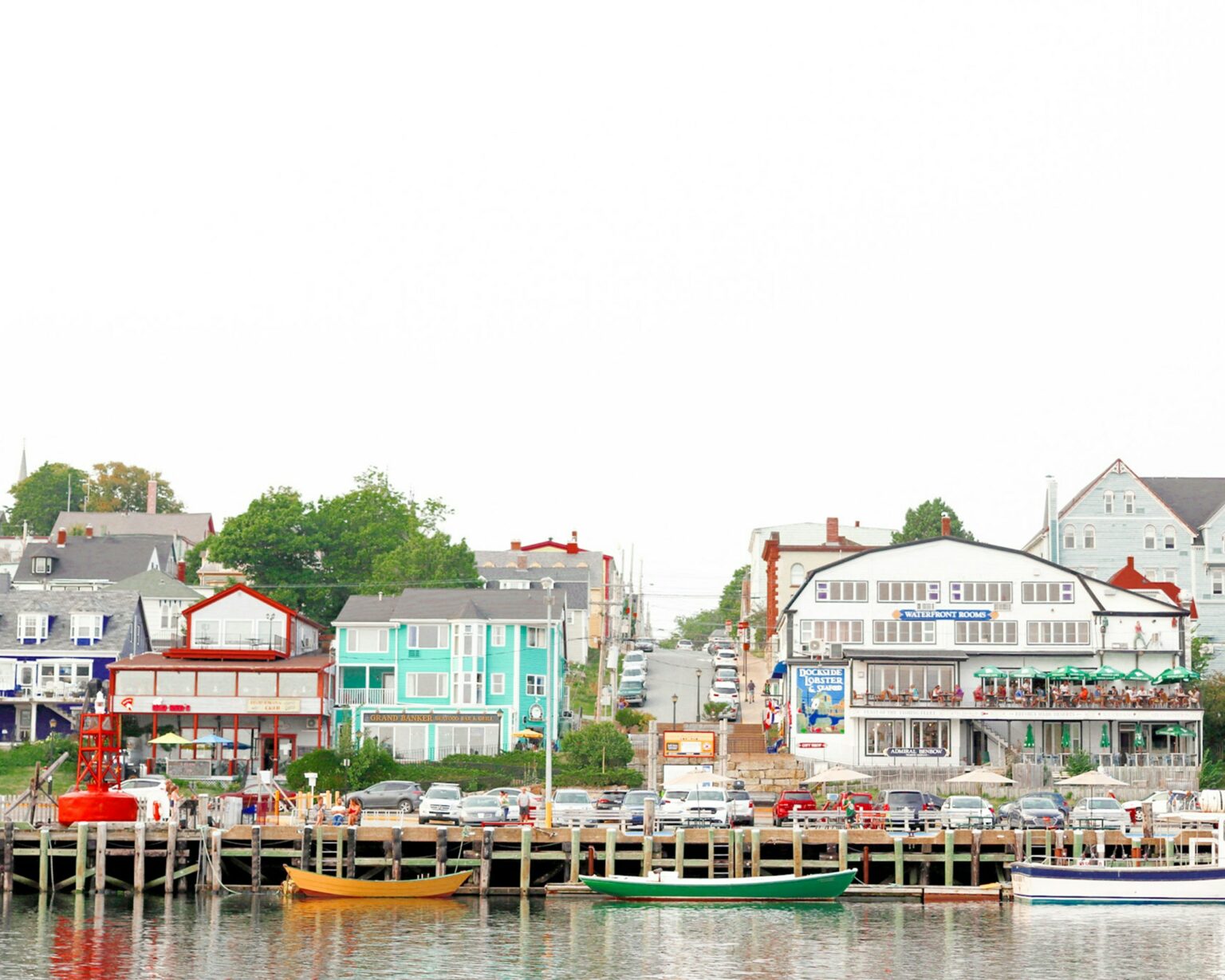
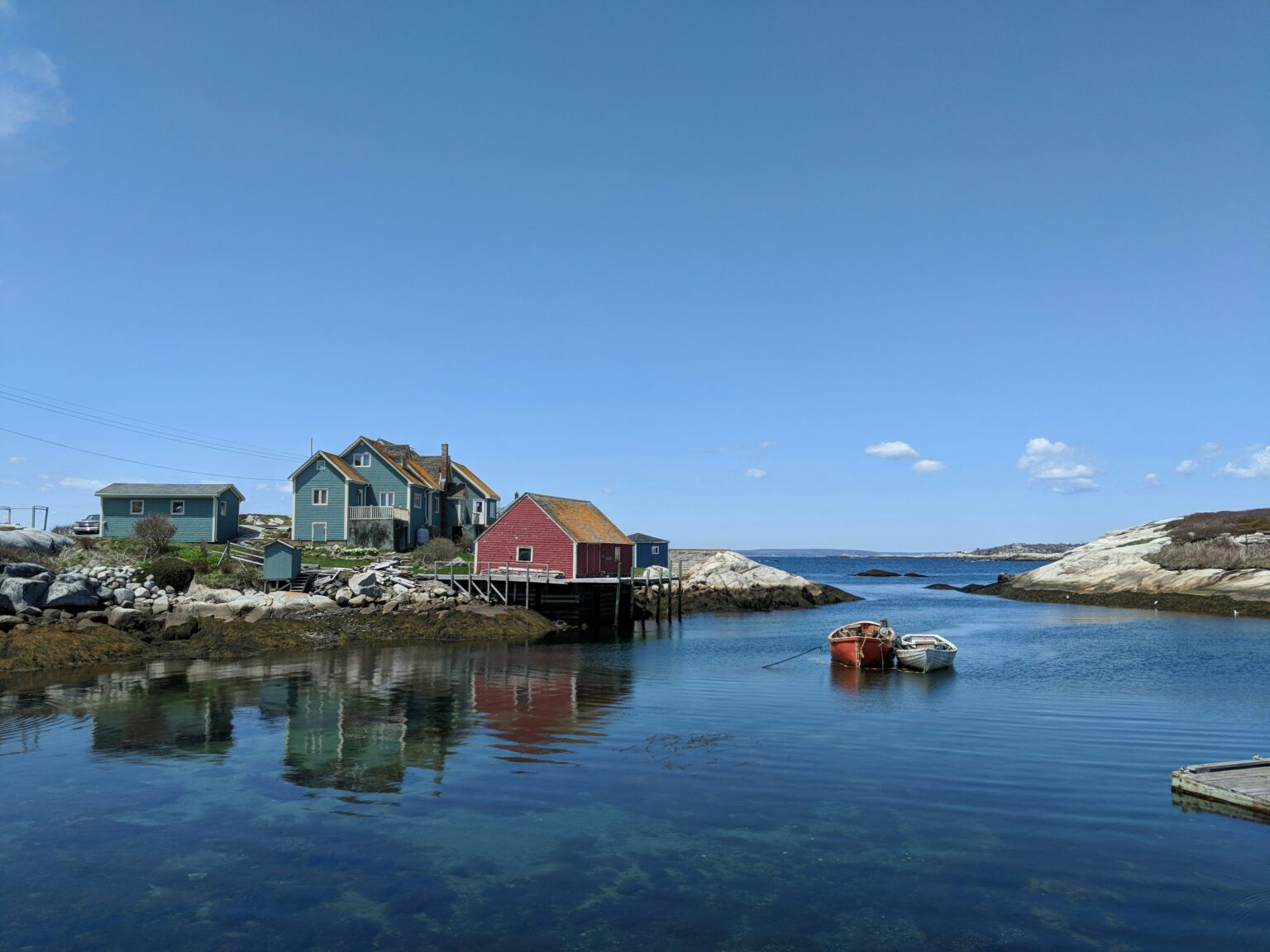
Nova Scotia’s coastal geography, historic towns and natural landscapes have made it an increasingly popular destination for domestic tourism within Canada.
This trend has encouraged interest in property projects that combine hospitality, recreation and residential ownership models.
Developments centred around golf facilities, resort accommodation and tourism infrastructure have become an area of exploration for several investors seeking diversification within the property sector.
Leisure property development represents a distinct category of real estate investment, one that combines elements of hospitality, lifestyle property and long-term asset appreciation.
For companies specialising in leisure-focused developments, regions such as Nova Scotia offer an environment where natural attractions and expanding tourism demand can support long-term project viability.
Why strategic land acquisition is central to long-term property investment
In many real estate markets, the greatest value creation occurs at the earliest stage of the development process: land acquisition.
Securing land in locations where demographic growth, infrastructure expansion and economic development are expected to converge can significantly influence the long-term success of a project.
This is particularly true in emerging markets where land values have not yet fully reflected future demand.
Commercial land acquisition firms therefore focus heavily on identifying regions where underlying economic and demographic indicators suggest sustained growth.
Nova Scotia currently exhibits several of these characteristics.
Population expansion, housing shortages, government housing initiatives and increasing investor attention have combined to create an environment where land suitable for residential or leisure development is becoming increasingly valuable.
For investors able to secure strategically located sites before prices fully adjust, the long-term potential can be considerable.
The future outlook for Nova Scotia’s real estate sector
Real estate markets are influenced by many variables, but certain structural trends provide a strong indication of long-term direction.
In Nova Scotia, several of these trends continue to point toward sustained demand for housing and development.
Population growth remains strong relative to the province’s historical norms.
Housing construction, although increasing, still faces the challenge of addressing years of accumulated supply shortages.
Rental markets remain exceptionally tight, particularly in Halifax.
At the same time, the province continues to attract attention from investors interested in markets that offer both stability and growth potential.
Together these factors create a property environment that many analysts consider likely to remain active for years to come.
For firms specialising in commercial land acquisition, leisure property development and strategic real estate investment, Nova Scotia represents one of the most closely watched emerging markets in Canada.
Why Nova Scotia has become a key focus for Canadian property investors
Nova Scotia’s transformation from a relatively quiet regional market into a nationally significant property investment destination has been driven by a combination of demographic, economic and structural factors.
Rapid population growth has increased demand for housing.
Decades of underbuilding have limited supply.
Government initiatives are now encouraging new development.
At the same time, the province’s natural landscapes and growing tourism sector are opening additional opportunities in leisure-focused property development.
For investors seeking exposure to the Canadian real estate market outside its most saturated metropolitan areas, Nova Scotia has increasingly become a region that merits serious consideration.
Understanding the forces shaping this market provides valuable insight into why commercial land acquisition and property development activity across the province continues to expand.