Residential property has long been considered one of the most stable forms of investment. While financial markets rise and fall, housing remains a fundamental human need. People will always require somewhere to live, and as populations grow and cities expand, the demand for high quality housing continues to increase.
For developers and investors alike, residential property development offers a combination of long term security, consistent demand, and the potential for strong returns. Across many international markets, particularly in regions experiencing population growth and housing shortages, residential real estate continues to outperform many other asset classes.
Understanding why residential development remains such a powerful investment sector requires looking at several structural forces shaping global housing markets.
Housing demand continues to outpace supply
One of the most important factors driving residential property investment is the ongoing imbalance between housing supply and demand.
Across much of the developed world, housing construction has struggled to keep pace with population growth. Planning restrictions, rising construction costs, labour shortages, and complex regulatory frameworks have all contributed to slower building rates.
At the same time, populations continue to grow.
This dynamic creates a structural housing shortage. When more people need homes than the market can provide, property values and rental prices tend to rise over time.
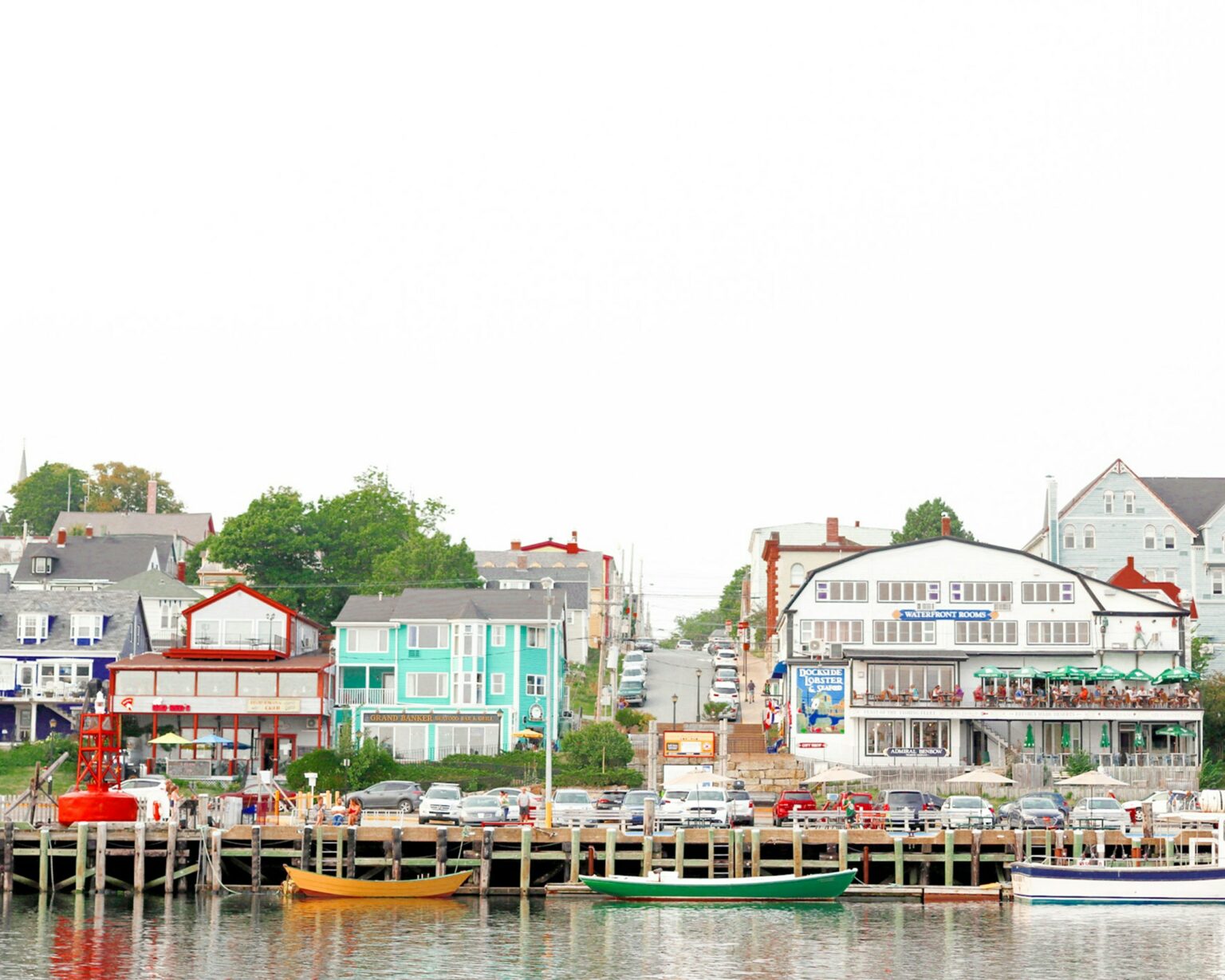
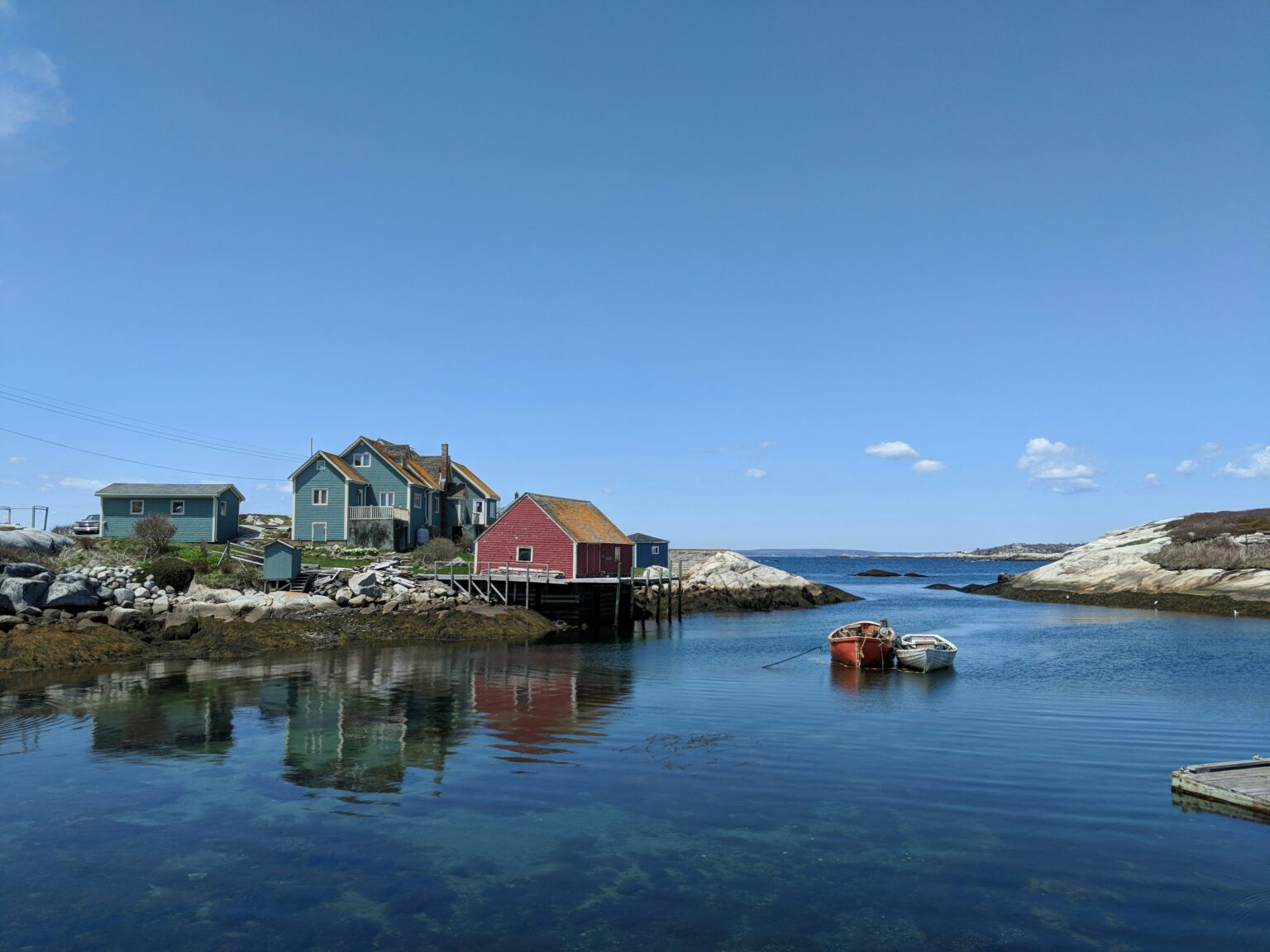
This pattern is particularly visible in Canada. In Nova Scotia, for example, population growth has accelerated significantly in recent years while housing construction has lagged behind demand. The province faced a shortfall of approximately 27,300 housing units by the end of 2022, with tens of thousands of additional homes expected to be required in the coming years.
For residential developers, supply shortages create significant opportunities to deliver new housing in high demand locations.
Population growth drives long term property value
Population growth remains one of the most powerful forces shaping property markets.
When populations expand, demand for housing increases across multiple segments of the market, including rental accommodation, family homes, and luxury developments.
In cities experiencing strong population growth, this demand often leads to rising property values over time.
Halifax, the capital of Nova Scotia, provides a clear example. The city’s population increased by roughly 9.1 percent between 2016 and 2021, largely driven by immigration and internal migration within Canada.
Growth of this scale places significant pressure on local housing supply, reinforcing the importance of residential development in meeting demand.
Developers operating in growing regions therefore benefit not only from current housing shortages but also from long term demographic trends that support property value growth.
The resilience of residential real estate
Another reason residential property remains attractive to investors is its relative resilience compared with other investment sectors.
Commercial property markets, for example, can be heavily influenced by economic cycles. Retail properties depend on consumer spending, office buildings are affected by changes in working patterns, and hospitality properties often fluctuate with tourism demand.
Residential property behaves differently.
Even during economic downturns, people still need housing. While property markets may experience temporary slowdowns, the fundamental demand for homes rarely disappears.
This underlying demand provides residential real estate with a level of stability that many other asset classes cannot offer.
For investors seeking long term wealth preservation, this stability is a significant advantage.
Luxury residential development and lifestyle demand
Within the residential sector, luxury developments have become an increasingly important segment of the market.
Affluent buyers are often seeking more than simply a place to live. They are looking for homes that offer a lifestyle experience, including high quality architecture, privacy, and desirable surroundings.
Developments located in attractive natural environments, coastal areas, or emerging lifestyle destinations have become particularly popular.
These projects often combine residential living with lifestyle amenities such as outdoor recreation, wellness facilities, and access to leisure activities.
For developers, luxury residential projects can deliver higher margins while also appealing to international buyers and investors seeking premium properties in stable markets.
The growing importance of location
Location has always been one of the defining principles of property investment, and it remains just as important today.
High growth locations tend to share several characteristics. These may include strong population growth, improving infrastructure, expanding employment opportunities, and increasing international visibility.
Regions experiencing these changes often transition from relatively overlooked markets into sought after investment destinations.
Nova Scotia illustrates this transformation well. Once considered a relatively quiet Atlantic province, it has recently attracted increased attention from investors due to population growth, housing shortages, and expanding economic opportunities.
For residential developers, identifying these emerging locations early can provide significant long term advantages.
Why residential development attracts international investors
Residential property development has also become increasingly attractive to international investors.
Global investors are often looking for stable countries with transparent legal systems and secure property ownership structures. Canada fits this profile particularly well.
Strong legal protections, economic stability, and predictable regulations make the country an appealing environment for property investment.
At the same time, housing shortages and population growth create conditions that support long term demand for new residential developments.
These factors combine to make Canadian residential property increasingly visible in global real estate investment discussions.
The future of residential property development
Looking ahead, residential property development is likely to remain one of the most important sectors within global real estate.
Several trends will continue to shape the industry.
Population growth is expected to remain strong in many developed countries, particularly those with immigration driven expansion. Housing shortages are unlikely to disappear quickly, especially in regions where planning restrictions and construction costs limit building rates.
At the same time, changing lifestyle preferences are influencing the types of homes people seek. Buyers increasingly value space, natural surroundings, and high quality design.
Developments that combine strong locations with thoughtful architecture and lifestyle amenities are likely to remain in high demand.
Overall
Residential property development continues to represent one of the most reliable and resilient forms of long term investment.
Rising populations, limited housing supply, and growing demand for high quality homes have created favourable conditions for developers and investors in many regions.
Markets such as Nova Scotia demonstrate how these forces can combine to create strong opportunities for residential development.
As housing demand continues to outpace supply in many growing regions, residential property is likely to remain a cornerstone of real estate investment for decades to come.