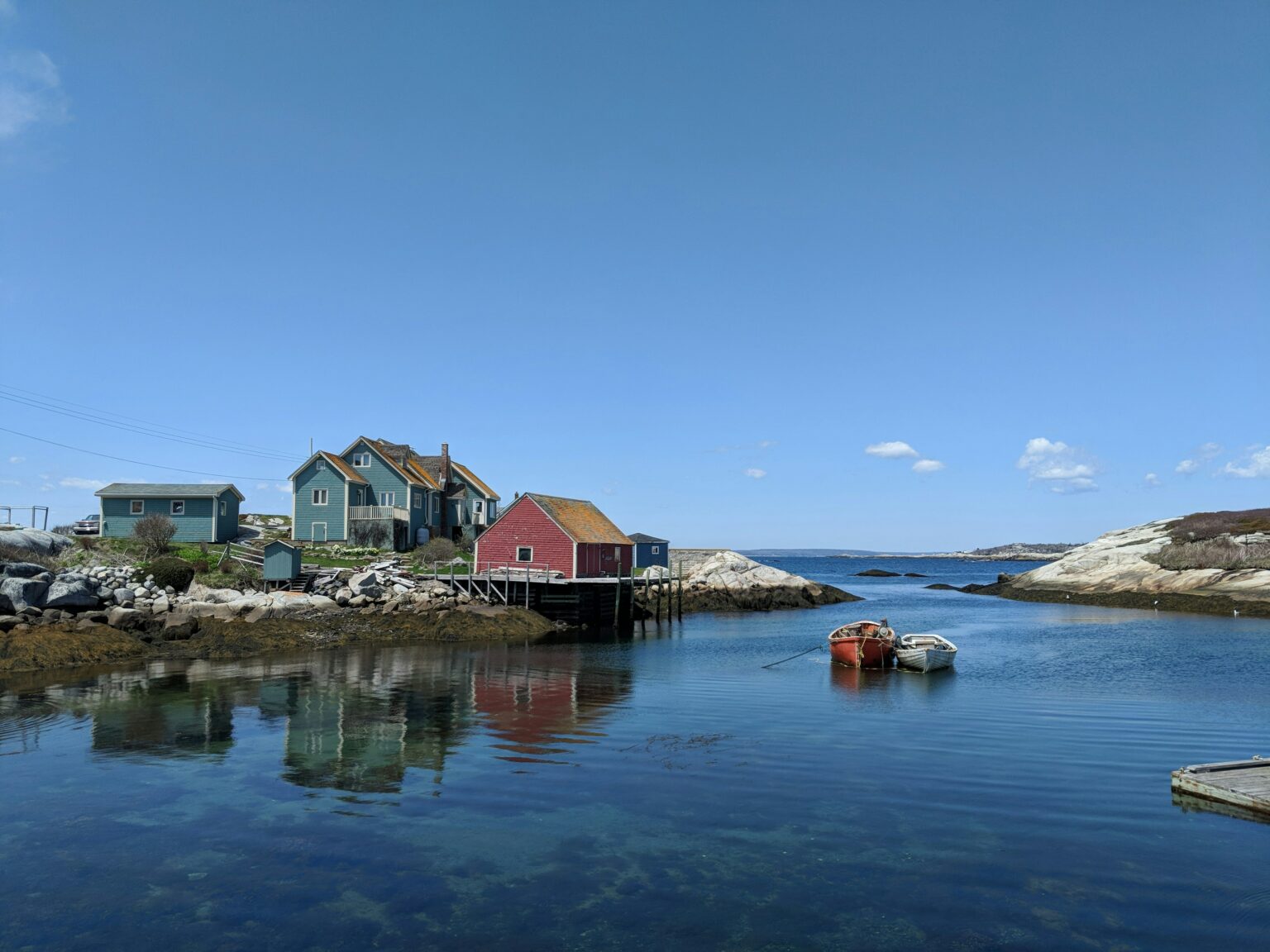
Golf resorts are undergoing a quiet but significant transformation. Once considered niche, leisure-driven assets that catered to a narrow demographic, they are now emerging as one of the most dynamic and profitable segments of the property market. Across Canada, and particularly in Nova Scotia, golf resorts are evolving into multi-use destinations that integrate hospitality, residential development, tourism, and sustainability. This shift has not only changed how these resorts operate but also how investors view them. They are no longer seasonal indulgences; they are income-generating ecosystems with long-term growth potential.
The global golf industry is expanding, supported by more than 66 million players worldwide and a tourism sector worth over $20 billion annually. Participation surged in the post-pandemic years as people sought open-air recreation, and the trend has continued well beyond initial expectations. In Canada, the sport’s revival has fuelled investment in new and redeveloped resorts that cater to both domestic and international visitors. Demand is driven by a blend of affluent travellers, corporate groups, and lifestyle buyers seeking premium real estate with built-in leisure appeal. These resorts have evolved from simple fairway experiences into fully integrated communities that provide consistent revenue across all seasons.
Nova Scotia has become one of the most promising regions for this type of investment. Its coastal landscapes rival the best golf destinations in the world, yet its property prices and operational costs remain comparatively low. The province’s growing reputation for natural beauty and high-quality courses, many overlooking the Atlantic, has positioned it alongside global destinations such as Scotland’s coastal links or Ireland’s countryside estates. Tourism in Nova Scotia continues to rise year-on-year, with strong domestic travel and a growing number of international visitors, especially from the United States and Europe. This sustained influx supports both resort operations and the wider hospitality economy that underpins property value.
Crucially, modern golf resorts no longer depend on summer traffic. Year-round operation has become the standard, supported by a mix of accommodation, wellness facilities, restaurants, event spaces, and residential developments. A single resort might now generate revenue through hotel stays, holiday lets, spa memberships, conferences, weddings, and long-term property ownership. The result is a consistent and diversified income stream that reduces exposure to seasonality. For investors, this model creates stability and the kind of dependable yield that traditional residential or commercial assets often struggle to match in the current market.
Within these integrated resorts, residential property has become a particularly strong driver of value. Homes built within golf communities typically command premium prices due to their setting, design, and the exclusivity of a managed environment. Buyers are drawn to the prestige and security of these developments, and the flexibility they offer – combining leisure, lifestyle, and investment potential in one. In Nova Scotia, where affordability remains a major advantage, entry points for investors are far lower than in markets such as Ontario or British Columbia. This accessibility, paired with rising property values and population growth, makes residential units within golf resorts one of the most promising sub-sectors of the wider leisure market.
The financial performance of these assets speaks for itself. Across comparable projects in North America, golf resorts typically deliver gross yields in the range of 7 to 10 percent, with the potential for additional uplift from hospitality and retail operations. Residential units within resorts often appreciate faster than surrounding areas, supported by managed maintenance, high occupancy, and strong buyer demand. Unlike single-use assets, these developments offer multiple layers of return, combining consistent income with long-term capital growth.
The province’s supportive economic and policy environment further strengthens the investment case. Nova Scotia has committed hundreds of millions to infrastructure development, including highway expansion and digital connectivity projects that now bring high-speed internet to nearly every household. These investments not only improve access for visitors but also enhance the quality of life for residents, helping to attract remote workers, retirees, and second-home buyers. In parallel, the government’s renewable energy and sustainable construction initiatives encourage environmentally responsible development – a factor increasingly valued by investors and consumers alike. Golf resorts that integrate solar energy, efficient water management, and biodiversity protection are better positioned to attract long-term partners and maintain regulatory compliance, securing both reputation and profitability.
The alignment between golf and sustainability is more important than ever. Far from the outdated image of water-intensive courses, modern resorts have adopted technologies and management practices that conserve resources and enhance their surroundings. ESG-aligned projects are particularly attractive to institutional investors seeking stable assets that meet both financial and environmental criteria. This shift is creating a new class of premium, sustainable golf destinations designed to appeal to future generations of travellers and property buyers.
Looking ahead, the outlook for golf resort investment in Canada is highly positive. As interprovincial migration, domestic tourism, and hybrid working patterns continue to shape the property market, destinations that blend leisure with liveability are set to outperform. Nova Scotia’s affordability, accessibility, and coastal appeal give it a clear competitive edge. With international tourism returning to full strength and the province’s infrastructure improving every year, golf resorts stand at the centre of this momentum.
For investors, the attraction lies in diversification and defensibility. Golf resorts combine the immediate revenue of hospitality with the capital appreciation of property and the resilience of tourism. Few other asset types provide such a balanced and adaptable structure. Nova Scotia’s strong policy framework and global visibility make it one of the most compelling places to deploy capital in this sector, offering both consistent yield and significant long-term growth potential.
To learn more about golf resort investment opportunities in Nova Scotia, contact Primefield today.