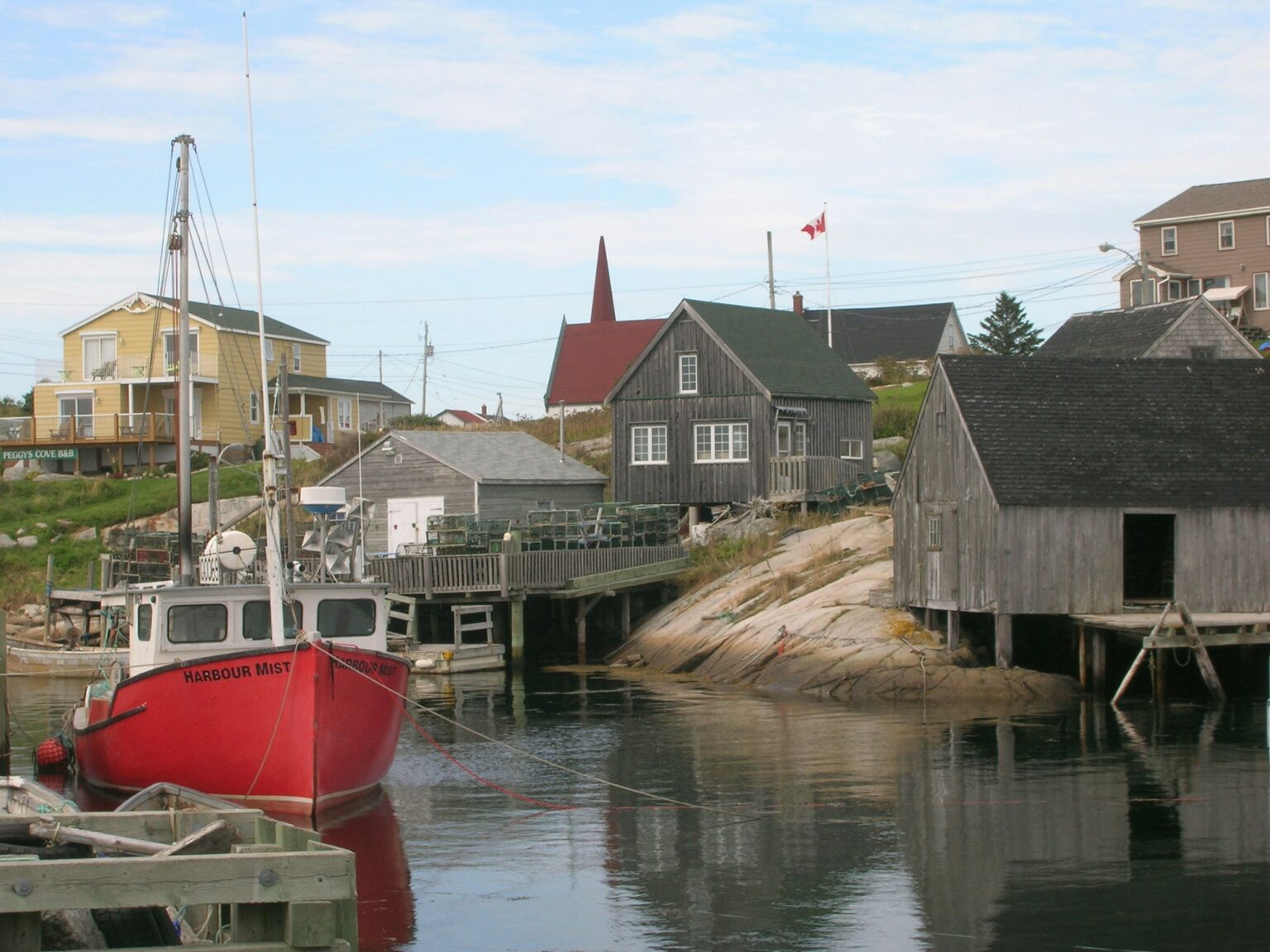
Over the past decade, global investors have become used to chasing yield in a world of low interest rates and increasingly volatile headlines. As markets from London to Vancouver have re-priced, attention is shifting to places that can offer something more fundamental. In Canada, Nova Scotia is one of the regions that is quietly moving up the shortlist.
This is not because of a single headline project or speculative boom. It is because four structural forces are converging at the same time: population growth, a constrained housing pipeline, a resilient tourism and leisure economy, and targeted public investment. Together, they are creating the conditions international investors look for when they want long term, compounding returns rather than short term trades.
1. Population growth that is no longer an afterthought
Historically, Nova Scotia was not the first name that came to mind when talking about Canadian population growth. That picture has changed. Between 2016 and 2021 the province grew at an average rate of 1.1 percent a year. Then, from 2021 to 2022, growth jumped to 2.9 percent, driven largely by interprovincial movers and new international migrants. Government of Nova Scotia
For international investors, those percentages matter more than the absolute numbers. They signal that Nova Scotia is no longer losing young people to other provinces in the way it once did. Instead, it is attracting new residents who want a blend of coastal lifestyle, lower living costs than major metros, and growing employment hubs in places like Halifax.
That shift changes the risk profile. Markets with rising, diversified populations give investors confidence that demand for housing, leisure, and supporting infrastructure will not evaporate with the next policy change.
2. A housing pipeline that is still catching up
Population growth on its own is not enough to justify an investment thesis. The key question is whether supply can keep up.
On that measure, Nova Scotia is still in catch up mode. The province recorded around 7,381 housing starts in 2024, only about 3.1 percent higher than in 2023. newstartns.ca+1 It is a meaningful increase, but not enough to erase the backlog created when construction lagged behind population gains in earlier years.
Halifax illustrates the pressure clearly. In 2024, the average sale price in the city reached roughly 579,600 Canadian dollars, up 4.7 percent on the year before. Rents followed a similar pattern, with average monthly apartment rent rising more than 6 percent to about 1,636 Canadian dollars, even as vacancy rates only just edged above two percent. Halifax Partnership
Those numbers are not about speculative froth. They reflect an underlying mismatch between households and available units. For investors, that mismatch tends to support both capital values and income yields over time, especially when developments are carefully targeted at genuine local needs rather than short term trends.
3. A tourism and leisure economy that underpins staycation assets
Nova Scotia is also a tourism story. In 2024 the province welcomed roughly two million visitors, generating an estimated 3.5 billion Canadian dollars in tourism revenues. news.novascotia.ca+1 This flow of visitors supports everything from boutique hotels and golf courses to coastal resorts and short stay rental markets.
While visitor volumes dipped slightly compared with 2023, the revenue figure highlights how the sector has rebounded from the disruption of recent years and is now stabilising at a high base. For leisure led real estate, this matters more than month by month fluctuations. Investors in staycation parks, destination resorts, and mixed use leisure schemes need to know that the visitor economy is resilient enough to support long term occupancy and spend.
Public policy is reinforcing that trend. Programmes such as the Tourism Revitalization of Icons initiative are putting around six million Canadian dollars into key visitor sites, improving infrastructure and experiences in ways that also benefit surrounding businesses and private operators. tourismns.ca When governments invest directly in the attractiveness of a region, it becomes easier for private capital to take a long view.
4. Incentives that align public and private capital
Beyond tourism, there is a broader effort to direct capital into the right types of housing. The Community Housing Capital Fund and other affordable housing programmes make grant funding and tax incentives available for projects that protect or add to the stock of homes, particularly in the non-profit and co-operative sectors. heliourbandevelopment.com
For international investors, these schemes matter in two ways. First, they help manage social and political risk by ensuring that growth in values is accompanied by attention to affordability. Second, they signal that the province is actively trying to solve structural shortages rather than simply relying on market forces. That tends to create a more stable environment over the medium term.
5. Why this combination appeals to international investors
Put these threads together and a clear picture emerges.
Nova Scotia has population growth that now outpaces many Canadian provinces, a housing market that is still working through a supply deficit, a three billion dollar tourism economy that underpins leisure assets, and government programmes that use public money to de-risk private investment in infrastructure and housing.
For an international investor looking at Canada from London, Dubai, or Singapore, that combination is attractive. It offers exposure to a stable, rules based jurisdiction, without competing directly with the most crowded and fully priced markets.
6. Where Primefield fits into the story
Primefield’s focus is on leisure based property, including staycation resorts and golf led developments in Nova Scotia. That means we operate at the intersection of the trends outlined above.
Our view is simple. If you believe that more people will choose to live, work, and holiday in Nova Scotia over the next decade than in the last, and if you believe that high quality, well located leisure assets will remain in short supply, then the case for targeted investment becomes compelling.
By combining careful site selection with a long term operational view, we aim to align international capital with the province’s growth story in a way that is sustainable for local communities and attractive for investors.
For those looking beyond the usual Canadian headlines, Nova Scotia is no longer a footnote. It is becoming a strategic chapter in a diversified real estate portfolio, and the data suggests that story is only just beginning.