For much of the past decade, property investment was shaped by speed. Investors chased yield, leveraged cheaply, exited quickly, and relied on favourable market conditions to compensate for structural weaknesses. That approach thrived in an era of low interest rates, abundant liquidity, and relative geopolitical calm.
In 2026, the environment has shifted.
Higher borrowing costs, tighter credit, regulatory pressure, and global uncertainty have forced a reassessment of what actually constitutes a strong property investment. The focus has moved away from short-term performance and towards durability, asset quality, and downside protection.
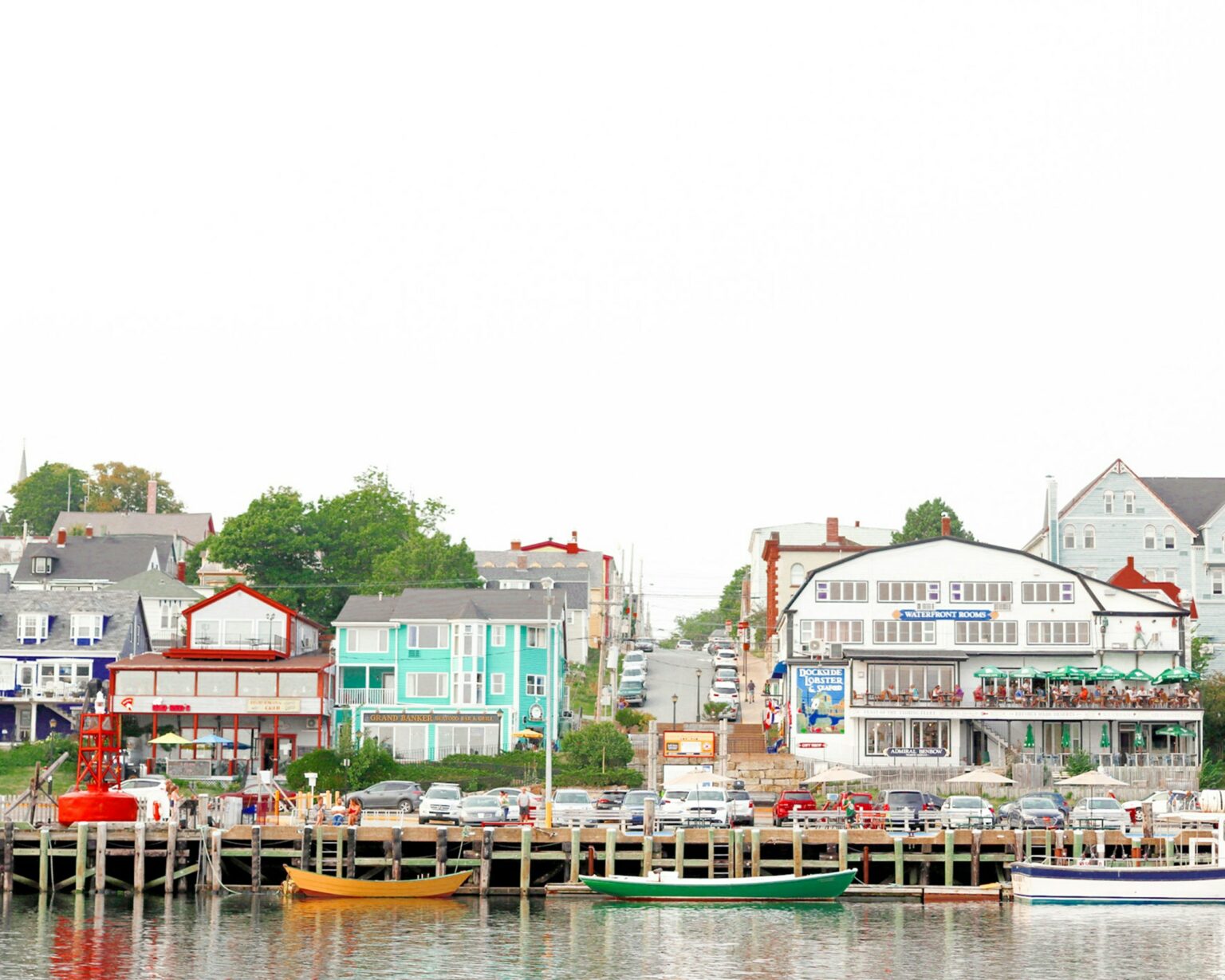
Within that shift, land-led luxury resort developments, particularly those located in stable Canadian jurisdictions such as Nova Scotia, are increasingly viewed not as speculative lifestyle plays, but as structured, long-term investment assets with defensive characteristics.
This article explores why that change is happening, how land behaves differently to built property, and why carefully positioned luxury resort developments are becoming central to long-term capital strategies.
The global re-pricing of property risk
Risk has always existed in property investment, but it has not always been properly priced.
During years of cheap debt, leverage masked fragility. Rental yields appeared robust because financing costs were low. Development timelines were compressed because refinancing was readily available. Exit strategies were assumed rather than stress-tested.
As interest rates rose and liquidity tightened, those assumptions were exposed. Investors began asking harder questions. What happens if sales slow. What happens if refinancing is no longer cheap or available. What happens if demand pauses rather than disappears.
This has led to a renewed focus on assets that retain value independently of short-term market sentiment.
Land has re-entered the conversation because of how differently it behaves under pressure.
Why land behaves differently to buildings
Land is not a depreciating asset.
It does not suffer from wear and tear, does not require constant capital expenditure, and does not depend on tenants, occupancy rates, or regulatory compliance to retain relevance. Its value is driven by location, scarcity, and future utility.
In markets where population growth is real and supply is constrained, land quietly absorbs value over time. It does not require perfect conditions to perform. It simply needs long-term demand.
For investors who have grown cautious of rising maintenance costs, regulatory intervention, and operational complexity, land offers exposure to property fundamentals without many of the risks that now undermine traditional residential investment.
This difference becomes even more pronounced in jurisdictions where ownership rights are clear, planning systems are structured, and legal frameworks are stable.
The evolution of luxury resort developments
Luxury resort developments have undergone a quiet transformation.
Once viewed primarily as lifestyle purchases or discretionary second homes, they are increasingly designed and positioned as long-term mixed-use environments that support permanent settlement, extended stays, and capital preservation.
Remote work, flexible residency, and lifestyle-led migration have expanded the pool of buyers who see value in owning assets that offer both personal utility and financial resilience.
High-quality resort developments are no longer reliant on tourism alone. They attract owners who intend to spend meaningful time there, build homes, rent selectively, or hold assets for long-term appreciation.
This shift has made well-located luxury resort developments far more resilient than many urban residential markets driven purely by yield.
Why Canada, and Nova Scotia in particular, stands out
Canada has increasingly emerged as a destination for long-term capital rather than speculative inflows.
Its immigration policy is explicit and managed. Its legal and ownership frameworks are transparent. Property rights operate within a mature common law system. These factors reduce jurisdictional risk, which is now a priority for international investors.
Within Canada, Nova Scotia occupies a distinct position.
The province combines natural beauty, coastline, and lifestyle appeal with a stable regulatory environment and genuine population growth. Immigration, education, and interprovincial migration have increased demand, while housing and infrastructure delivery has lagged behind.
This imbalance has created structural pressure rather than cyclical volatility.
For land-led resort developments, this is critical. Demand is not artificially created through marketing or tax incentives. It exists because people want to live there, return there, and build long-term connections to the region.
The importance of constrained supply
Supply dynamics matter more than headline demand figures.
In markets where housing and land can be delivered quickly, price pressure often dissipates just as quickly. Nova Scotia operates differently. Planning processes, labour availability, and infrastructure requirements limit how fast new supply can come online.
This means land retains strategic value over time.
Well-located plots become increasingly important as demand compounds. Value is created not through rapid turnover, but through relevance and scarcity.
For investors, this creates a slower but more dependable trajectory.
Golf resorts as long-term anchors
Golf-led resort developments add an additional layer of stability.
High-quality golf courses are capital-intensive, difficult to replicate, and tied permanently to land availability. Once established, they anchor surrounding property values by creating a lasting lifestyle ecosystem rather than a transient attraction.
Golf resorts attract owners who value quality, longevity, and environment. Assets are held longer. Communities develop. Infrastructure investment follows.
This is why golf-led developments often demonstrate greater long-term resilience than standalone luxury housing. They create reasons to stay, return, and invest further.
From landholding to lifestyle asset
One of the most overlooked advantages of land-led resort investment is optionality.
Owning land within a fully planned luxury resort environment does not force immediate development. Investors can hold land as land, allowing value to accrue as the resort matures, amenities expand, and surrounding demand grows.
When the time is right, that land can be developed into a home, a rental property, or a long-term personal base.
This flexibility allows investors to adapt strategy over time rather than committing to a single outcome from the outset.
In uncertain economic conditions, flexibility itself becomes a form of risk management.
Fixed income structures within land-led strategies
While land is traditionally associated with long-term capital appreciation, structured developments can also support defined income strategies.
By anchoring returns to real, tangible assets rather than speculative future sales, it is possible to offer fixed income structures that reduce reliance on market timing.
For investors seeking predictable returns without operational involvement, this approach offers an alternative to buy-to-let, development finance, or high-risk lending models.
It also aligns with how experienced capital now evaluates opportunity, prioritising clarity and asset backing over complexity.
The value of build-ready plots
Not all land offers the same risk profile.
Build-ready plots occupy a crucial middle ground between raw land and fully developed property. Planning groundwork has been completed, infrastructure access is established, and development can proceed when desired.
This reduces uncertainty while retaining upside.
Within luxury resort developments, build-ready plots are particularly valuable because they allow owners to participate in the finished vision of the project without bearing early-stage planning risk.
They also appeal to a broader buyer base, supporting long-term liquidity.
Lifestyle demand as a defensive factor
Lifestyle-driven demand behaves differently to investor-only demand.
People who buy into lifestyle locations tend to be less reactive to short-term market movements. Decisions are based on long-term enjoyment, personal use, and future plans rather than quarterly performance.
This reduces volatility and supports price stability during broader market corrections.
Nova Scotia benefits from this dynamic because it is not a seasonal novelty. It is a genuine settlement destination with universities, healthcare, infrastructure, and employment.
That depth of demand underpins long-term resilience.
A different way of thinking about property investment
Land-led luxury resort developments require patience.
They are not designed for rapid flipping or short-term arbitrage. Instead, they reward investors who understand how value compounds over time through scarcity, desirability, and structural demand.
In a world where uncertainty has become a constant, this slower, more deliberate model is increasingly attractive.
It replaces reliance on leverage with reliance on fundamentals.
Finally
Property investment in 2026 is no longer about chasing momentum. It is about positioning capital where it can endure.
Land-led luxury resort developments in stable Canadian regions such as Nova Scotia offer a rare combination of asset backing, lifestyle demand, and long-term relevance. They do not promise instant returns. They offer something more valuable, resilience.
As investors recalibrate priorities around stability, clarity, and real demand, this type of investment has moved from the margins to the centre of serious consideration.
In a market defined by uncertainty, assets grounded in place, people, and purpose are quietly proving their worth.