Leisure property has always existed in the background of the real estate market, often dismissed as a side category that sits somewhere between lifestyle and land ownership. In the past three years that perception has changed entirely. Investors who once focused solely on residential units or commercial blocks are now shifting capital into staycation-led developments, resorts, and golf facilities because these assets have begun to show a pattern that very few sectors can offer. They perform in uncertain markets, they attract stable demand, and they deliver long-term value.
Primefield was created with this change in mind. Canada’s tourism behaviour has shifted, domestic travel is at a historic high, and regions like Nova Scotia are emerging as some of the most promising destinations for leisure-based property. When you combine this with rising housing demand and strong government-backed incentives for inward investment, you are left with a landscape that is as appealing to investors as it is to visitors.
This is not a temporary trend. It is the beginning of a structural shift.
A market shaped by new patterns of travel
The growth of the staycation economy is often spoken about as a short-lived response to global disruption. In reality, the shift runs deeper. Travellers are not simply avoiding long-haul destinations, they are making conscious choices about value, convenience, and the quality of their leisure time. Domestic holidays offer all three.
For investors, this change alters the nature of the opportunity. Traditional residential units are tied to local employment, mortgage rates, and cyclical affordability. Leisure properties are tied to travel habits and disposable income, both of which have proved surprisingly resilient.
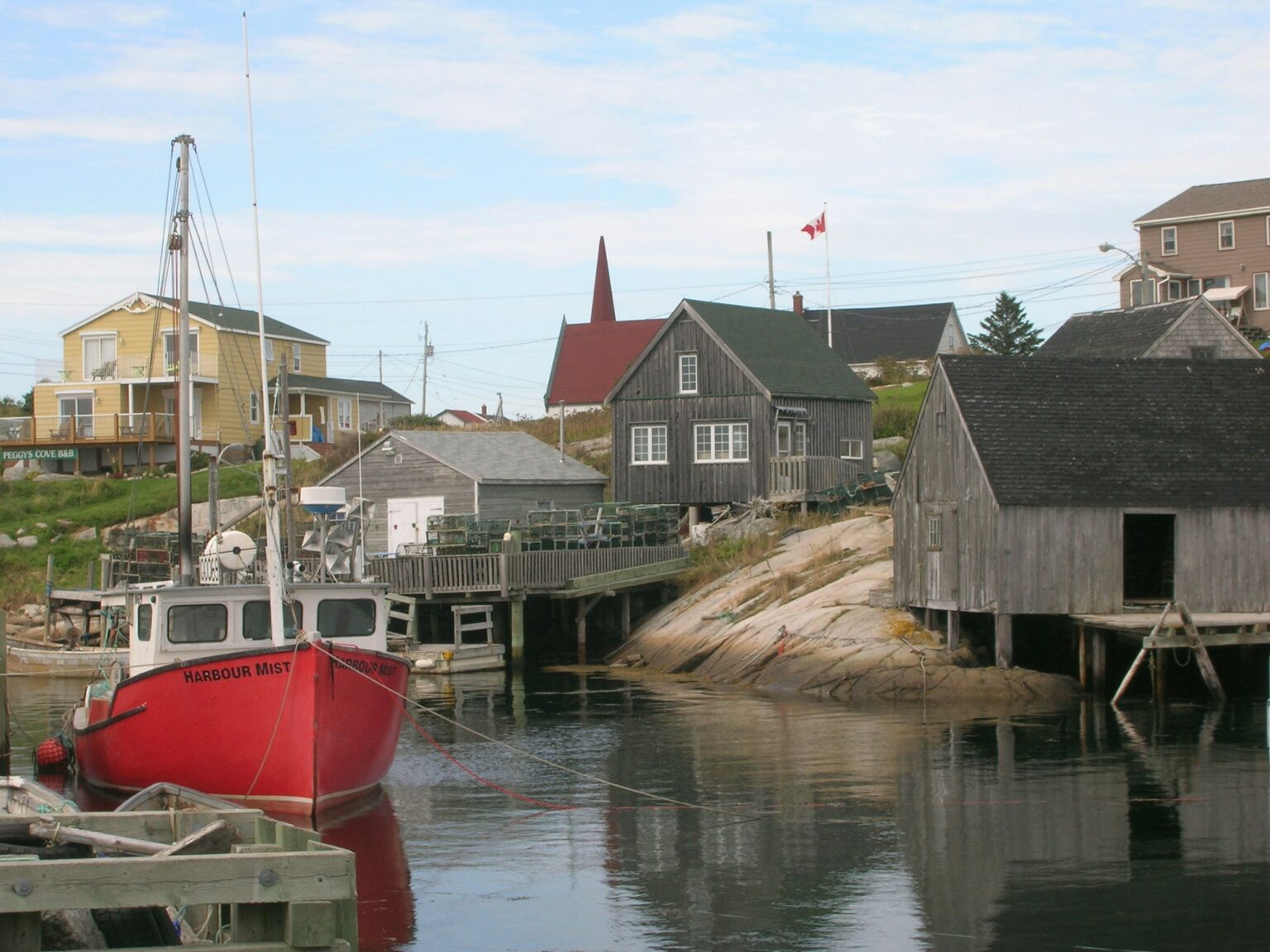
In Nova Scotia, this is particularly pronounced. Visitor numbers have risen while accommodation shortages continue, meaning purpose-built leisure developments have become not only desirable but necessary. Resorts, golf facilities, and holiday communities serve a growing domestic audience and a strong seasonal international one, creating a dual layer of demand.
Why investors are rethinking land
Land has always been quietly powerful as an asset class. It appreciates, it can be developed in phases, and it rarely experiences the volatility seen in other markets. The difference now lies in how strategic land is being used.
Rather than waiting for large-scale residential planning, investors are increasingly focusing on leisure-led sites. These projects are quicker to activate, attract earlier revenue, and can be expanded as demand grows. A resort can launch with a core set of facilities, then add accommodation, dining, and partnerships over time. A golf course can anchor an entire hospitality ecosystem.
This flexibility, combined with the relatively low acquisition cost of land in regions such as Nova Scotia compared with major Canadian cities, is attracting both seasoned investors and newcomers who want assets that work in both stable and turbulent economies.
Primefield’s focus on high-growth, underdeveloped land positions it directly in this space. The aim is not to speculate. It is to develop long-term value in sectors that have already shown their resilience.
Credibility as an investment filter
When investors carry out due diligence, they look for clarity, stability, and external validation. A strong digital footprint, visible activity, and respected media coverage matter as much as the land itself. They serve as shorthand for trust.
This is not unique to leisure property. Across the entire investment industry, credibility is now measured through three lenses.
Visibility. Investors want to see consistent activity, not sporadic announcements.
Authority. They want expert insight and clear articulation of why a market is worth their money.
External validation. They want recognised media confirming that a company is established and serious.
Primefield’s visibility strategy is intentionally built around this. As outlined in internal planning documents, the goal is for anyone searching the company to immediately find a combination of professional content, respected press features, and sector expertise that positions the brand as a credible player in the Canadian market.
In practice, it means streamlined social channels, regular thought-leadership articles, and placements in outlets that investors actually trust. Forbes, Business Insider, Yahoo Finance, The Globe and Mail, and regional titles across Nova Scotia form the backbone of this visibility plan.
The message is simple. Primefield is not emerging. Primefield is established, active, and internationally engaged.
The strategic opportunity in Nova Scotia
Nova Scotia is in an uncommon position. It has rising housing demand, expanding tourism numbers, and a provincial government that recognises the economic value of leisure development. This combination gives investors something rare in real estate. It gives predictability.
Planning processes in Canada can be slow, particularly where new allegations, reviews, or community impact studies are required, but leisure-led projects often move faster than residential construction. They also benefit from a different public perception. Holiday facilities are viewed as contributors to local economies, creating jobs and supporting hospitality, rather than competing for limited housing stock.
This is why the province is emerging as a hotspot for leisure investment. It aligns policy, demand, and community benefit in a way that few regions manage.
The future of leisure property
The next decade will be defined by a shift in how people live, travel, and spend their disposable income. Hybrid working patterns are likely to remain, meaning more domestic mobility and more local tourism. International travel will recover, but the simplicity of Canadian staycations has created a behavioural shift that is unlikely to reverse.
For investors, the question is no longer whether leisure property is worth considering. The question is which companies are positioned to lead the sector and deliver long-term value.
Primefield is built for this. The business combines strategic land acquisition, large-scale development experience, and a portfolio model that works across resorts, golf facilities, staycation rentals, and hospitality. It is designed to grow in a changing market and to outperform more traditional categories, even in periods of economic uncertainty.
The opportunity is clear. Leisure property is not a niche category any more. It is one of the most resilient investment pathways in Canada, and Nova Scotia is at the centre of its momentum.